
Here are the tables highlighting the value changes in Bitcoin and Ethereum before and after each major Bull Run:
Bitcoin Bull Runs
| Bull Run Period | Start Value (USD) | End Value (USD) | Percentage Increase |
|---|---|---|---|
| 2010-2011 | $0.06 | $31 | 51,566% |
| 2013 | $13 | $1,100 | 8,369% |
| 2017 | $1,000 | $19,783 | 1,878% |
| 2020-2021 | $10,000 | $63,588 | 536% |
| Late 2021 | $29,000 | $68,789 | 137% |
| 2023 | $16,500 | $30,000 | 82% |
Ethereum Bull Runs
| Bull Run Period | Start Value (USD) | End Value (USD) | Percentage Increase |
|---|---|---|---|
| 2017 | $8 | $1,448 | 18,000% |
| 2020-2021 | $140 | $4,362 | 3,015% |
| Late 2021 | $1,800 | $4,878 | 171% |
| 2023 | $1,200 | $2,000 | 67% |
Notes:
- The start and end values represent approximate prices at the beginning and peak of each Bull Run.
- The percentage increase is calculated based on these start and end values.
- Ethereum did not exist during the earlier Bull Runs of 2010-2011 and 2013, which is why those periods are omitted from the Ethereum table.
These tables provide a clear overview of the value changes in Bitcoin and Ethereum during their respective Bull Runs.
Here’s a timeline of the major cryptocurrency Bull Runs since the creation of cryptocurrencies:
1. 2010-2011: The First Bitcoin Bull Run
- Timeline: June 2010 – June 2011
- Highlights: Bitcoin’s price went from around $0.06 in June 2010 to over $31 by June 2011. This was one of the earliest and most significant increases in Bitcoin’s price, driven by initial adoption and growing awareness of the cryptocurrency.
2. 2013: The First Major Bull Run
- Timeline: January 2013 – December 2013
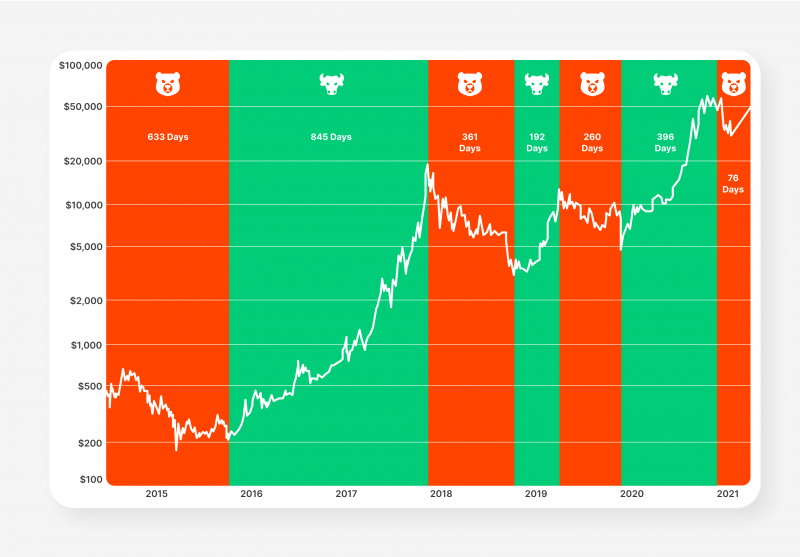
- Highlights: Bitcoin’s price started the year at around $13 and surged to over $1,100 by December 2013. This Bull Run was fueled by growing interest in Bitcoin, media coverage, and the rise of exchanges like Mt. Gox. However, it ended abruptly with the Mt. Gox exchange collapse and subsequent market crash.
3. 2017: The ICO Boom and Major Bull Run
- Timeline: January 2017 – December 2017
- Highlights: Bitcoin’s price surged from around $1,000 at the beginning of 2017 to nearly $20,000 by December. This Bull Run was driven by the explosion of Initial Coin Offerings (ICOs), increasing mainstream interest in cryptocurrencies, and significant media attention. It also saw the rise of Ethereum and other altcoins.
4. 2020-2021: The Institutional Bull Run
- Timeline: October 2020 – May 2021
- Highlights: Bitcoin’s price rose from around $10,000 in October 2020 to an all-time high of nearly $64,000 in April 2021. This Bull Run was fueled by institutional investments, growing acceptance of Bitcoin as “digital gold,” and the rise of decentralized finance (DeFi). Large companies like Tesla and MicroStrategy investing in Bitcoin also contributed to the surge.
5. Late 2021: The Metaverse and NFT Boom
- Timeline: August 2021 – November 2021
- Highlights: Following a brief correction after the early 2021 peak, the market surged again in late 2021, driven by growing interest in the metaverse, non-fungible tokens (NFTs), and further institutional adoption. Bitcoin reached a new all-time high of nearly $69,000 in November 2021. Ethereum and other altcoins also saw significant gains during this period.
6. 2023: The AI and Layer 2 Bull Run
- Timeline: Early 2023 – June 2023
- Highlights: The market experienced another Bull Run, driven by advancements in artificial intelligence integration with blockchain and the growing adoption of Layer 2 scaling solutions like Optimism and Arbitrum. Bitcoin and Ethereum saw significant gains, with Bitcoin reaching around $30,000 and Ethereum over $2,000.
Key Takeaways:
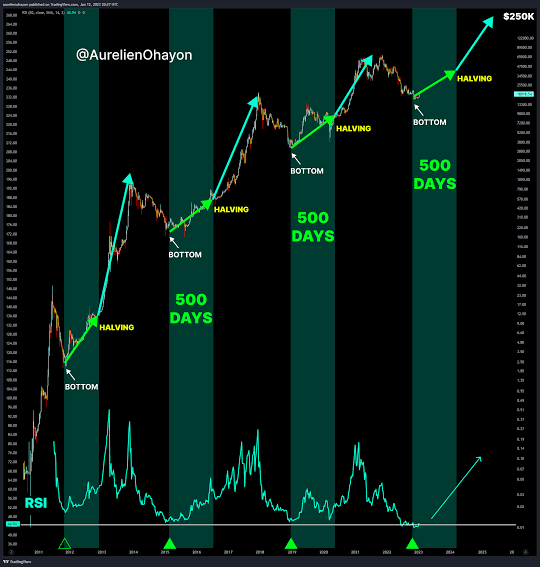
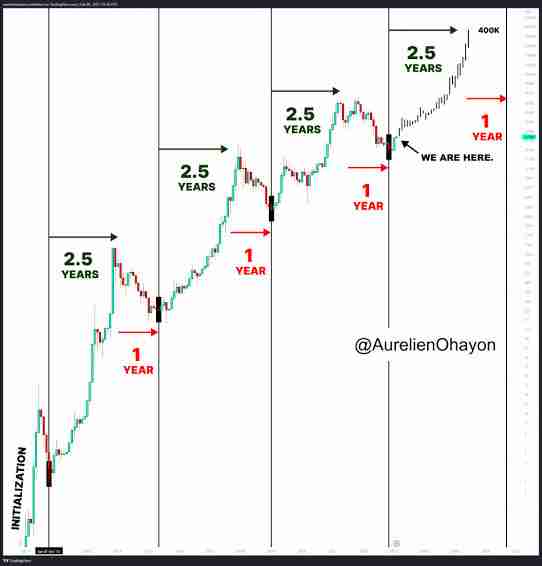
- Cycles: The crypto market tends to move in cycles, often influenced by technological advancements, regulatory news, macroeconomic factors, and broader adoption.
- Volatility: Each Bull Run is typically followed by a significant correction, with prices retracing before the next upward trend begins.
These Bull Runs have each contributed to the growing adoption and recognition of cryptocurrencies as a significant asset class globally.
