
Luteinizing Hormone (LH): The Ovulation Catalyst
- LH Defined
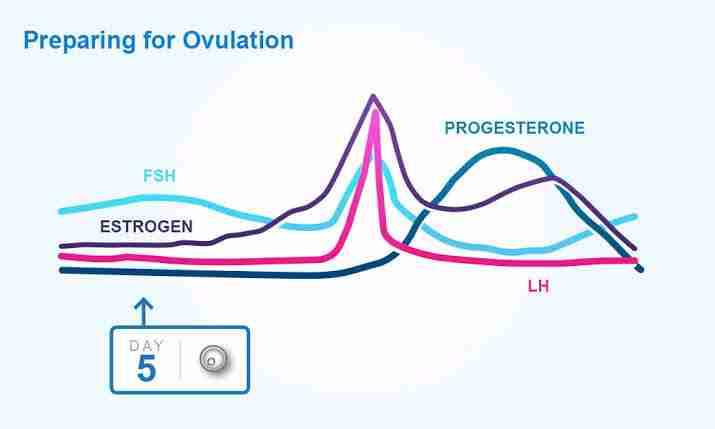
Luteinizing Hormone triggers ovulation and plays a vital role in maintaining reproductive health. - The Ovulation Surge
LH surges mid-cycle, signaling the release of a mature egg from the ovary. - Impact on Mood
The LH peak often brings a boost in confidence and mental clarity. - LH and Libido
LH levels correlate with heightened sexual arousal during ovulation. - LH and Estrogen Synergy
Rising estrogen prompts the LH surge, making them a dynamic duo for ovulation. - The Role in Fertility
Abnormal LH levels can indicate fertility challenges such as PCOS or anovulation. - Stress and LH Levels
Chronic stress can suppress LH production, disrupting ovulation. - Testing LH
Ovulation predictor kits detect LH surges to identify the fertile window. - Post-Ovulation LH
After ovulation, LH supports the corpus luteum to maintain progesterone production. - Sleep and LH
Sleep deprivation negatively affects the hypothalamus, disrupting LH secretion. - LH and Skin Health
Ovulation, driven by LH, can result in a radiant glow due to estrogen and collagen boosts. - Exercise and LH
Excessive exercise can suppress LH, leading to menstrual irregularities. - LH During Menopause
LH levels rise during menopause as ovarian function declines, causing hot flashes and mood swings. - Nutrition for LH
Nutrients like zinc, vitamin D, and healthy fats support LH production. - LH and Emotional Sensitivity
The hormonal surge may heighten emotional intensity, creating moments of reflection. - LH and Energy
LH surges often coincide with peak physical and mental energy during the cycle. - LH and Creativity
Ovulation-linked hormonal shifts often inspire bursts of creativity. - Hormonal Imbalances
Low LH levels can result in delayed ovulation and irregular cycles. - LH and Aging
As ovarian reserve declines with age, LH levels fluctuate more significantly. - Empowering Awareness
Tracking LH can provide insights into your body’s natural rhythms and fertility health.
Progesterone: The Calming Hormone
- What Is Progesterone?
This hormone stabilizes the uterine lining post-ovulation to support pregnancy. - Mood Stabilization
Progesterone promotes calmness, emotional balance, and stress reduction. - Sleep Enhancer
Progesterone supports restful sleep by calming the nervous system. - Post-Ovulation Production
The corpus luteum produces progesterone after ovulation to prepare for pregnancy. - Impact on PMS
Declining progesterone levels may contribute to premenstrual syndrome symptoms. - Progesterone and Fertility
Essential for sustaining pregnancy, low levels can cause implantation issues. - Skin Health
Progesterone helps balance oil production, reducing acne risk. - Bone Health
This hormone supports bone density and overall skeletal health. - Anti-Inflammatory Effects
Progesterone reduces systemic inflammation and supports immunity. - Stress Regulation
High cortisol can disrupt progesterone balance, emphasizing stress management. - Menstrual Cycle Length
Progesterone determines the luteal phase, influencing overall cycle regularity. - Progesterone and Libido
Balanced levels maintain sexual interest and responsiveness. - Progesterone in Menopause
Declining levels during menopause can cause mood swings and hot flashes. - Natural Progesterone Boosters
Foods like seeds, sweet potatoes, and spinach support healthy levels. - Exercise Impact
Excessive exercise may suppress progesterone production. - Gut Health and Progesterone
A healthy gut microbiome aids in hormone metabolism and progesterone balance. - Progesterone in Pregnancy
This hormone ensures a supportive environment for fetal development. - Signs of Low Progesterone
Symptoms include short cycles, PMS, and difficulty conceiving. - Balancing Progesterone
Stress reduction, a nutrient-rich diet, and adequate sleep are key. - Hormonal Synergy
Progesterone works alongside estrogen to regulate the menstrual cycle.
Follicle-Stimulating Hormone (FSH): The Cycle Starter
- FSH Overview
FSH stimulates ovarian follicles to grow and mature, kickstarting the menstrual cycle. - Follicular Phase Role
FSH is dominant in the first half of the cycle, preparing an egg for ovulation. - FSH and Estrogen
Rising FSH prompts estrogen production, creating hormonal balance. - Stress and FSH
Chronic stress can suppress FSH, delaying ovulation. - Low FSH Levels
Can lead to anovulation and fertility challenges. - FSH and Menopause
Elevated levels indicate declining ovarian reserve during menopause. - Exercise and FSH
Moderate activity supports healthy FSH production, unlike overtraining. - FSH Testing
Monitors ovarian reserve and fertility health. - Gut-Brain Axis
Gut health indirectly influences FSH levels through hormonal regulation. - FSH and Aging
Levels fluctuate as ovarian reserve diminishes with age. - Dietary Support
Foods rich in omega-3s, zinc, and vitamin D aid in maintaining FSH balance. - Sleep and FSH
Restful sleep supports proper FSH release from the pituitary gland. - Hormonal Fluctuations
FSH’s rise and fall mark the transition from follicular to ovulatory phases. - Impact on Mood
Imbalances can cause irritability and low energy. - FSH in IVF
This hormone is essential for stimulating egg production during treatments. - FSH and Emotional Sensitivity
High levels may correlate with heightened emotions in menopausal women. - Cycle Irregularities
Irregular cycles may point to fluctuating FSH levels. - Environmental Factors
Toxins and poor lifestyle choices disrupt FSH production. - Holistic FSH Support
Yoga, meditation, and whole foods aid in maintaining balance. - Empowerment Through Knowledge
Understanding FSH allows you to anticipate changes in fertility and cycles.
Estrogen: The Feminine Elixir
- What Is Estrogen?
Estrogen regulates the menstrual cycle, supports bone health, and enhances femininity. - Cycle Regulation
Estrogen rises pre-ovulation to thicken the uterine lining for implantation. - Mood and Estrogen
High levels improve mood, confidence, and emotional connection. - Skin Glow
Estrogen boosts collagen production, enhancing skin elasticity and glow. - Brain Function
Estrogen supports memory, focus, and cognitive health. - Heart Health
It reduces bad cholesterol levels, protecting cardiovascular health. - Libido Boost
Estrogen peaks mid-cycle, aligning with increased sexual desire. - Menopause and Estrogen Decline
Low levels can cause hot flashes, mood swings, and vaginal dryness. - Bone Health
Estrogen is essential for maintaining strong bones and preventing osteoporosis. - Gut Health Connection
A healthy microbiome supports estrogen metabolism. - Estrogen and Fertility
Balanced levels are essential for ovulation and a healthy pregnancy. - Stress and Estrogen
Chronic stress can disrupt estrogen production, affecting mood and cycles. - Estrogen Dominance
Excess levels can cause PMS, weight gain, and mood swings. - Exercise and Estrogen
Regular moderate exercise supports hormonal balance. - Dietary Sources
Foods like flaxseeds, soy, and chickpeas are natural phytoestrogens. - Estrogen Replacement
Hormone replacement therapy (HRT) can alleviate menopausal symptoms. - Environmental Estrogens
Avoid xenoestrogens in plastics and cosmetics to maintain balance. - Cycle Awareness
Tracking estrogen peaks and dips can help you optimize your energy and mood. - Holistic Estrogen Support
Meditation, a nutrient-rich diet, and regular exercise maintain harmony. - Embracing Femininity
Estrogen empowers women to embrace their vitality, sensuality, and emotional depth.
